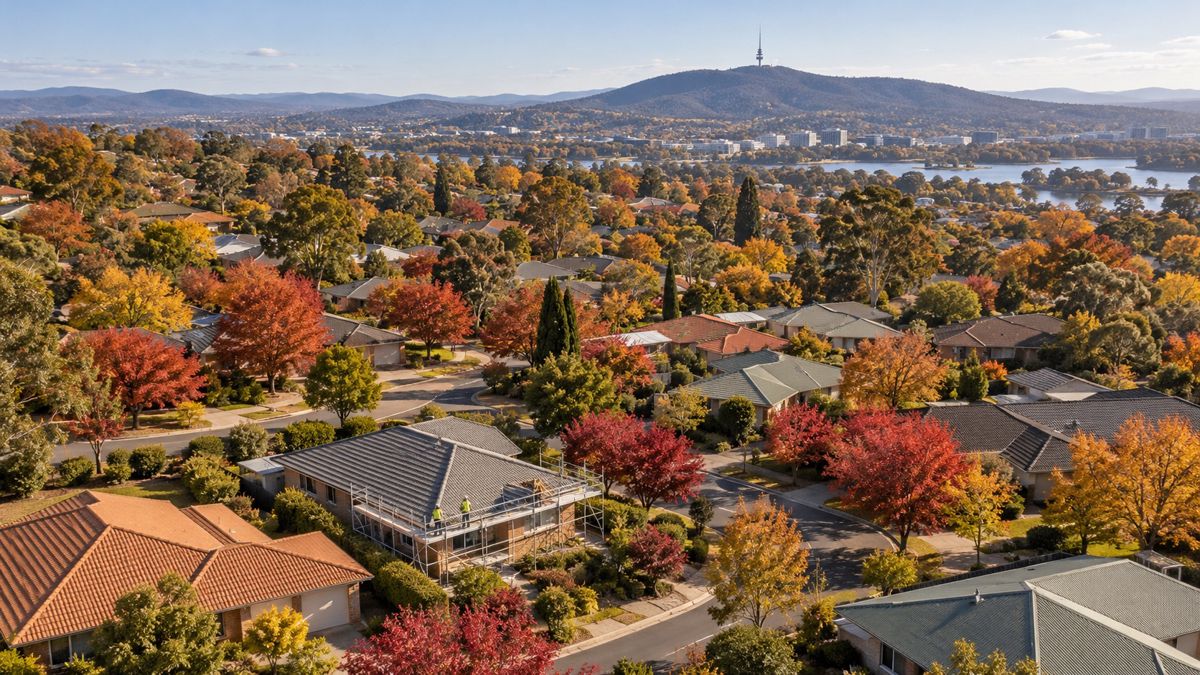
For a typical single-storey house in Canberra, a full re-roof often lands somewhere between about AUD 12,000 and AUD 30,000, and it can go higher for large, steep or complex roofs. Treat that as a rough guide only. It is not a quote from Canberra Roofing Co. The real number depends on your roof, your material and what is found once the old roofing comes off.
This guide explains what moves the price, how the common materials compare, which extra costs surprise people and how to compare quotes fairly.
What drives the price of a new roof?
Four things matter most.
- Roof area and shape. Roofers price by the square metre. As a broad market guide, many Australian re-roofs work out at roughly AUD 70 to AUD 150 per square metre including labour, depending on the material. A roof of around 200 square metres is not unusual for a family house.
- Pitch and complexity. Every hip, valley, dormer, chimney and skylight adds cutting, flashing and time. A simple gable costs less per square metre than a roof with many angles.
- Access. A double-storey house, a steep block or a narrow driveway makes it harder to move materials and set up safe edge protection.
- Material. Steel, concrete tile and terracotta tile each have a different supply cost and installation method.
Timing also plays a part. After a major hailstorm, demand for roofers and tiles jumps, and both lead times and prices can rise.
How do tile and steel roofs compare?
Concrete tiles
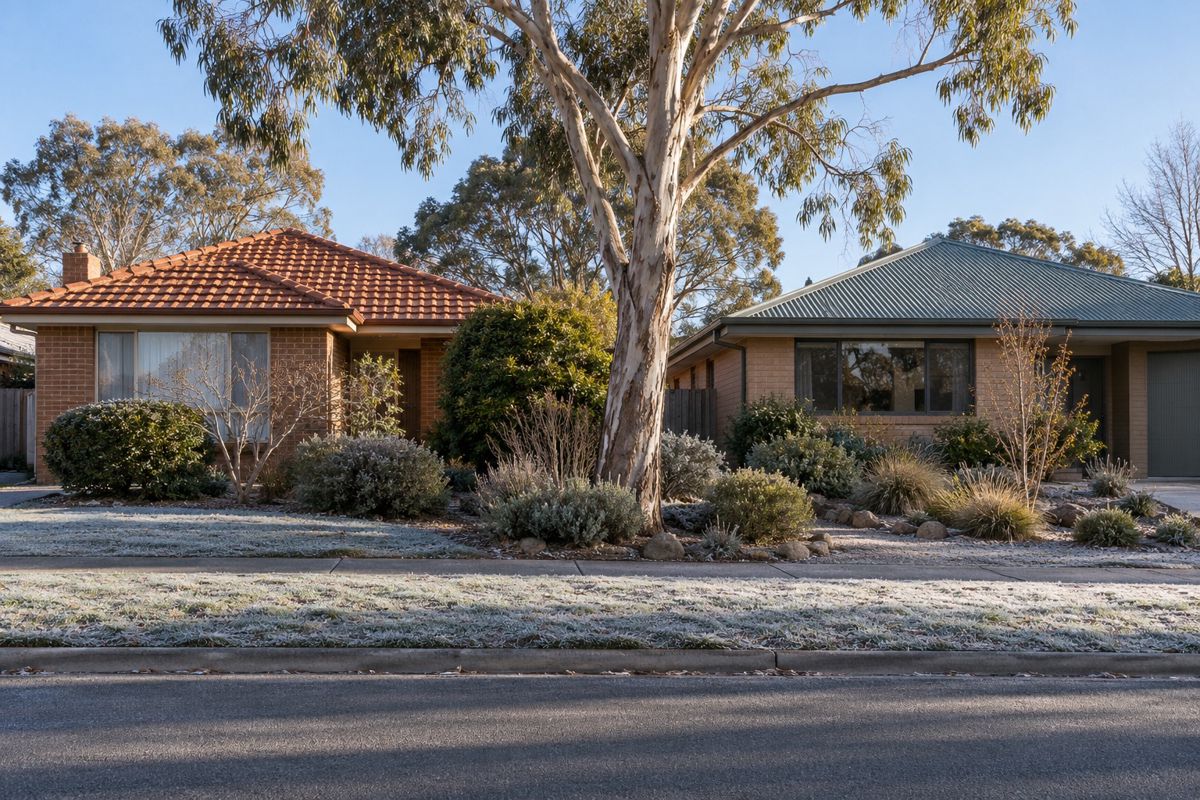
Concrete tiles are common on Canberra homes built from the 1970s onward. They are heavy, quiet and durable. They need a sound frame and good battens, and individual cracked tiles can be replaced. Costs often sit in the middle of the range.
Terracotta tiles
Terracotta suits many older brick homes in suburbs such as Ainslie, Griffith and Reid. It usually costs more than concrete tile and is often the choice where a traditional look matters. It is also heavy, so the frame must be checked.
Colorbond and other steel
Steel is light and quick to install, which can keep labour costs down. It is common on newer estates in Gungahlin and the Molonglo Valley. Lighter colours reflect summer heat. On cold clear nights steel can form condensation underneath, so ask about sarking or an anti-condensation blanket and roof ventilation.
What extra costs catch Canberra owners out?
The headline price per square metre is rarely the full story. Ask your roofer whether the quote allows for these items, and what happens if they are found during the job.
- Asbestos. Houses built before the mid-1980s can have asbestos cement sheeting in roofs, eaves or sheds. A licensed removalist must handle it, and it adds cost and time.
- Battens and framing. Rotted or undersized battens are often discovered only once the old tiles are lifted.
- Sarking, insulation and ventilation. A new roof is the cheapest moment to improve ceiling insulation and moisture control.
- Gutters, fascia and downpipes. These are often replaced at the same time.
- Solar panels. Panels usually need a licensed electrician to disconnect and refit them.
- Changing material. Swapping tiles for steel, or the reverse, changes the weight on the frame and may need checking.
- Bushfire and heritage rules. Homes in mapped bushfire-prone areas may need ember-resistant details, and some older suburbs or listed places have heritage rules about materials and colours.
How does Canberra's climate affect the choice?
Canberra has hot dry summers, frosty winters, strong westerly winds and occasional severe hail. The hailstorm in January 2020 damaged many roofs across the city, and it is a good reminder that hail is a real local risk.
Steel in a thicker gauge generally resists denting better than thin steel, but it can still mark. Tiles do not dent, but a large hailstone can crack them. Frost and sun cycles stress ridge capping and old pointing, so check how ridges are bedded and fixed. Wind lifts poorly fixed sheets and ridge caps, so ask how the roof will be fixed for local wind conditions.
Smoke and ash from bushfire seasons are a smaller factor, but they can clog gutters and valleys, so easy access for cleaning is worth thinking about when you plan the roof and gutters.
None of this points to one right answer. It is a reason to ask your roofer why they recommend a particular material for your house.
How do you compare roofing quotes fairly?
Two quotes with very different totals often describe two different jobs. Put them side by side and check:
- The roof area measured and the material named, including colour, thickness or brand where relevant.
- What is being removed and who takes it away.
- Whether battens, sarking, flashings, ridge capping and valleys are replaced or reused.
- Gutters, fascia and downpipes: included or not.
- What happens if asbestos or damaged framing is found.
- The payment schedule. A large deposit before any work is a warning sign.
- The roofer's ACT licence and insurance. Ask to see both and check the licence details with Access Canberra.
The cheapest quote is not always the best value. If it leaves out items the others include, you may pay for them later as extras.
Do you need approval, and will insurance help?
Rules depend on the property and the work. A like-for-like replacement is often simpler than changing the roof shape, material or structure. Heritage-listed places, units with an owners corporation and homes in bushfire-prone areas can have extra steps. Check with Access Canberra, your building certifier or your owners corporation before you commit.
Home insurance in Australia often covers sudden storm and hail damage, but usually not wear and tear or age. Read your policy, note the excess and ask your insurer how it handles roof claims. If damage is storm related, take photos before any make-safe work and keep all receipts.
What should you do next?
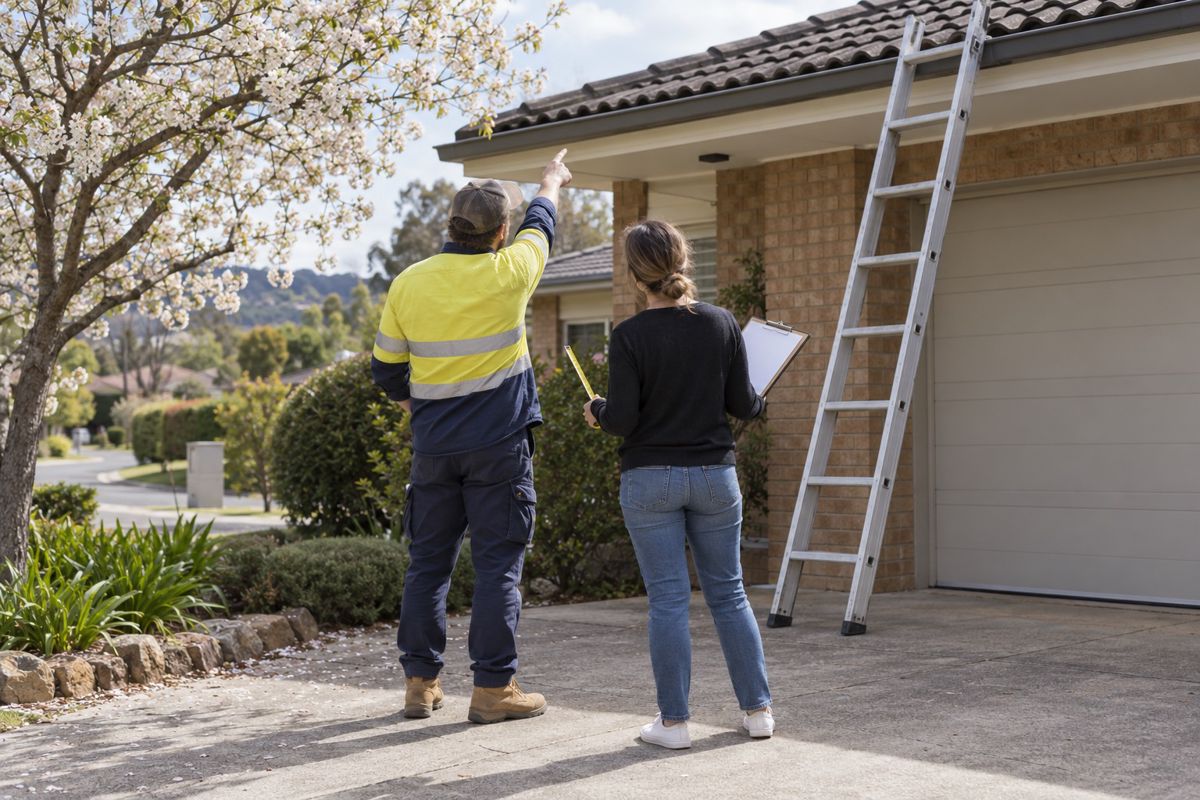
Start by finding out what condition the roof is really in. A roof inspection can show whether a repair will do or a replacement is justified. If a new roof is likely, our roof replacement page explains the process step by step, and a written quote will list the scope so you can compare it against others.